Safari Overview
Discover Uganda's wetland wonderland just an hour from Kampala. Step into
Lutembe Bay, a shimmering haven where papyrus-fringed lagoons,
floating islands, and mudflats come alive with thousands of terns, gulls,
and
waders. Witness over 280 bird species, including
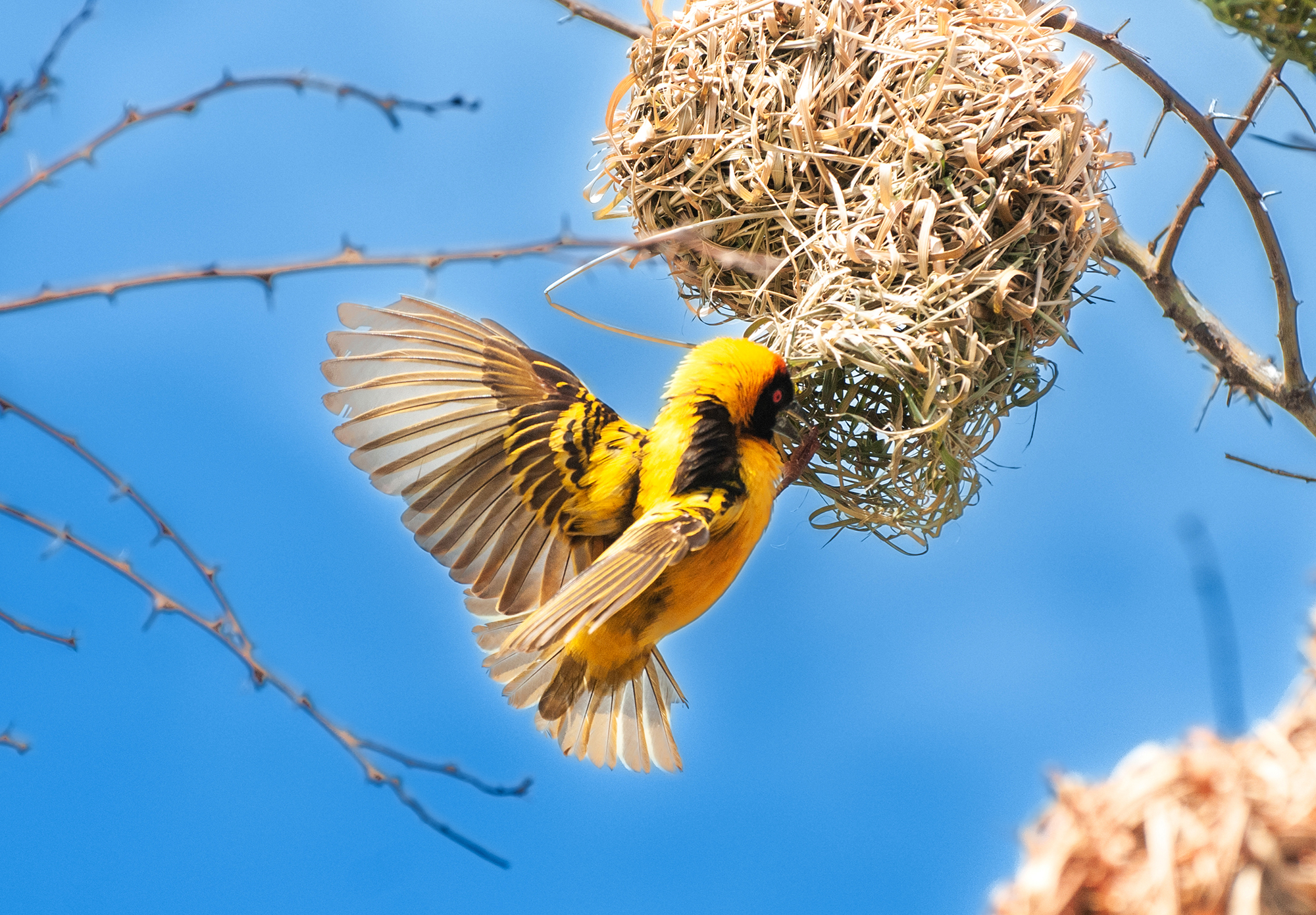
globally threatened icons like the Shoebill, Papyrus Gonolek, and
White-winged
Black Tern.
Safari Highlights
- Over 280 bird species
- Ramsar Site & Important
Bird Area
- Boat cruise through
lagoons
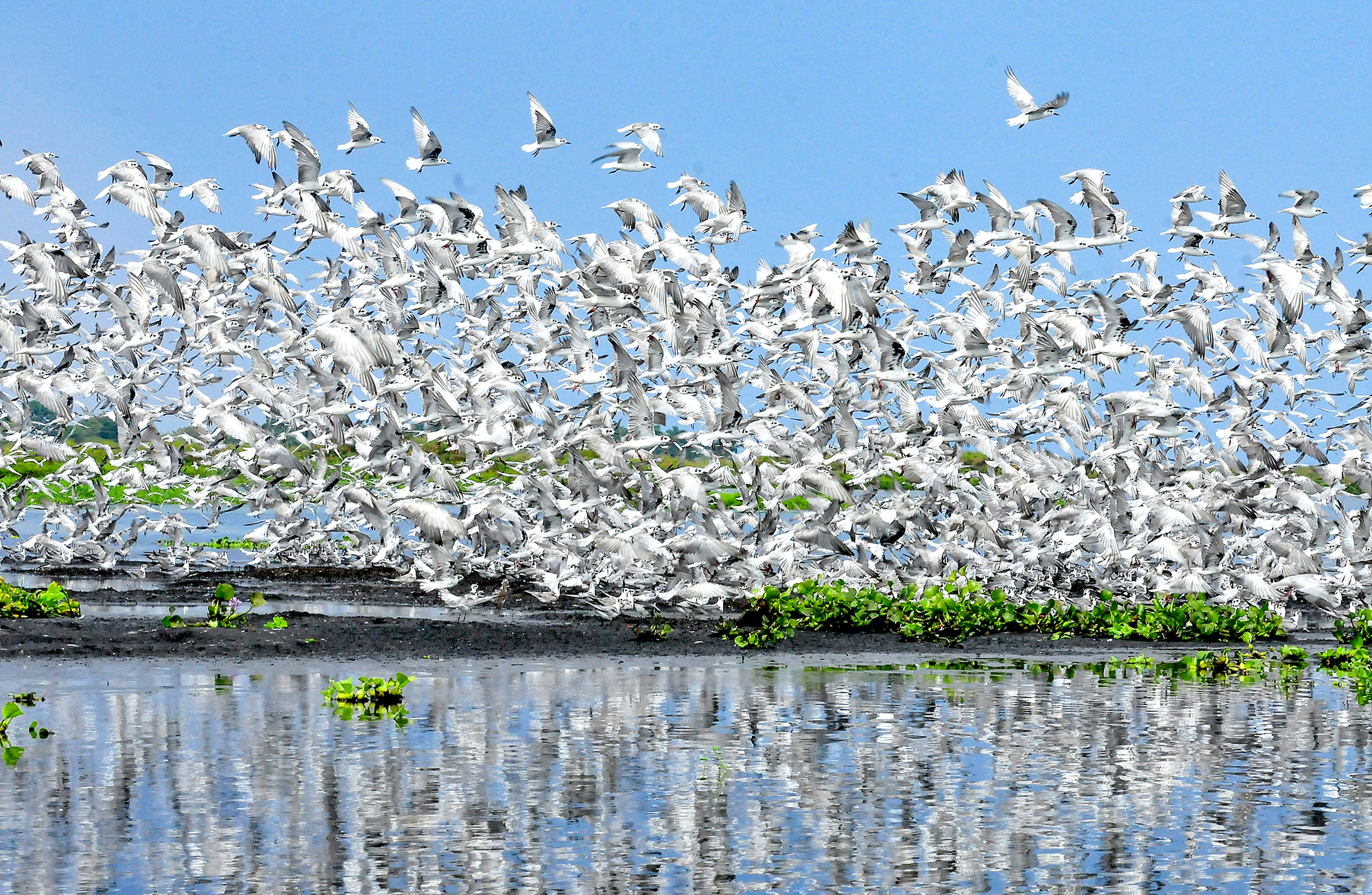
- White-winged Black Terns
in thousands
- Guided wetland walks
Photography Paradise
- Golden-hour wetland
reflections
- Dramatic bird flight
photography
- Migratory flocks in
action
- Ideal for videography
- Calm lagoons for perfect
shots
About Lutembe Bay
Lutembe Bay, a designated Ramsar Site and
Important Bird Area (IBA), is a wetland paradise only an hour
from Kampala. From September to April, Palearctic migrants arrive in huge
numbers,
turning the sky into a living cloud of terns, gulls, and waders.
Over 280 species have been recorded here, including
seven
globally threatened birds. The bay famously hosts over half
of
the world's population of White-winged Black Terns at the peak of
migration.
Detailed Itinerary
1
Day 1: Transfer from Kampala/Entebbe – Birding Boat Cruise on Lutembe Bay
Distance & Travel Time
Kampala/Entebbe → Lutembe Bay: ≈35 km / ~1.5 hours
Depart early in the morning from Kampala or Entebbe after breakfast
for Lutembe Bay, one of Uganda's richest wetland birding sites. En
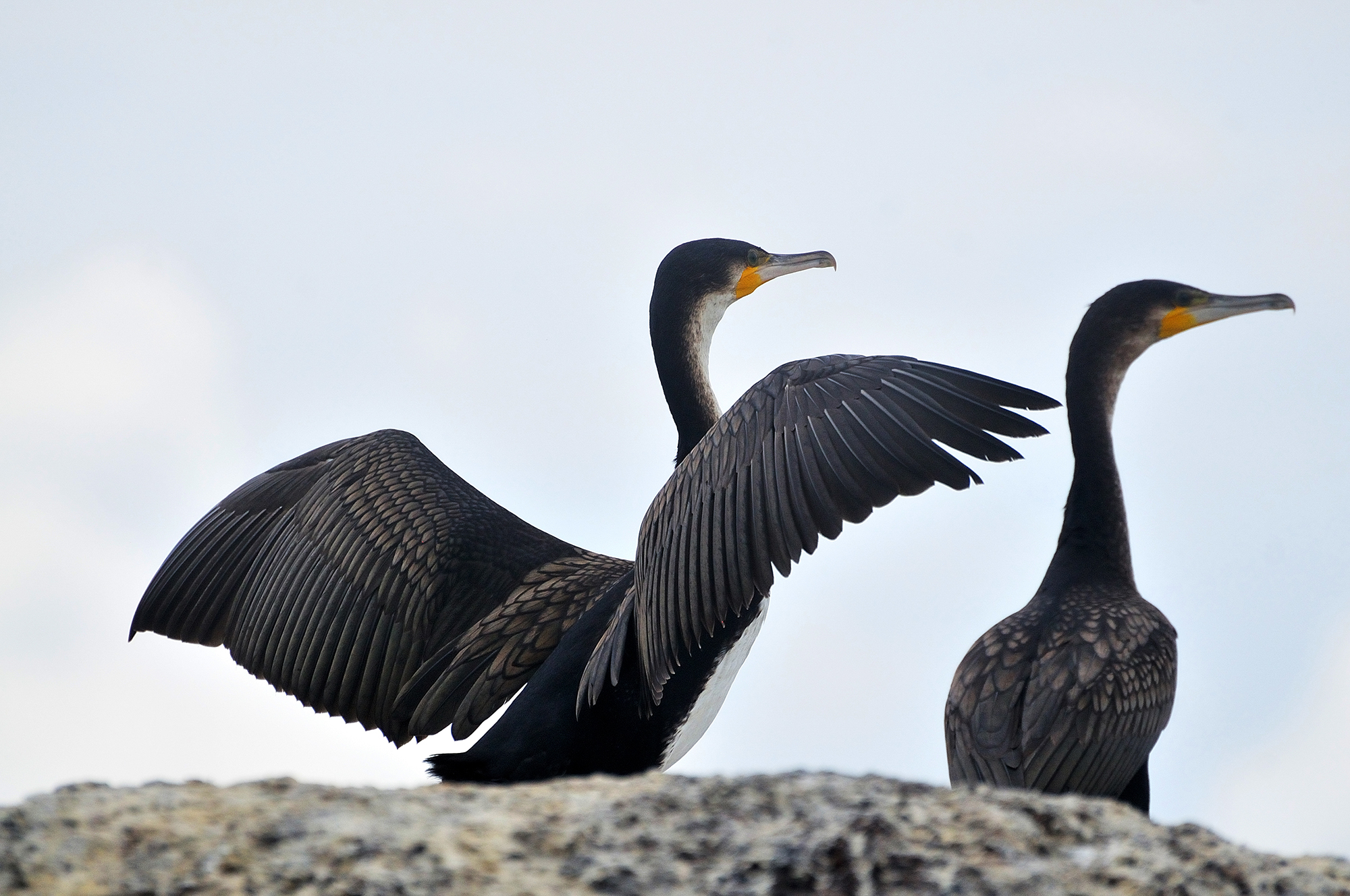
route, watch for African Open-billed Storks, Cattle Egrets, and
Long-tailed Cormorants along roadside wetlands.
Boat Cruise & Wetland Exploration
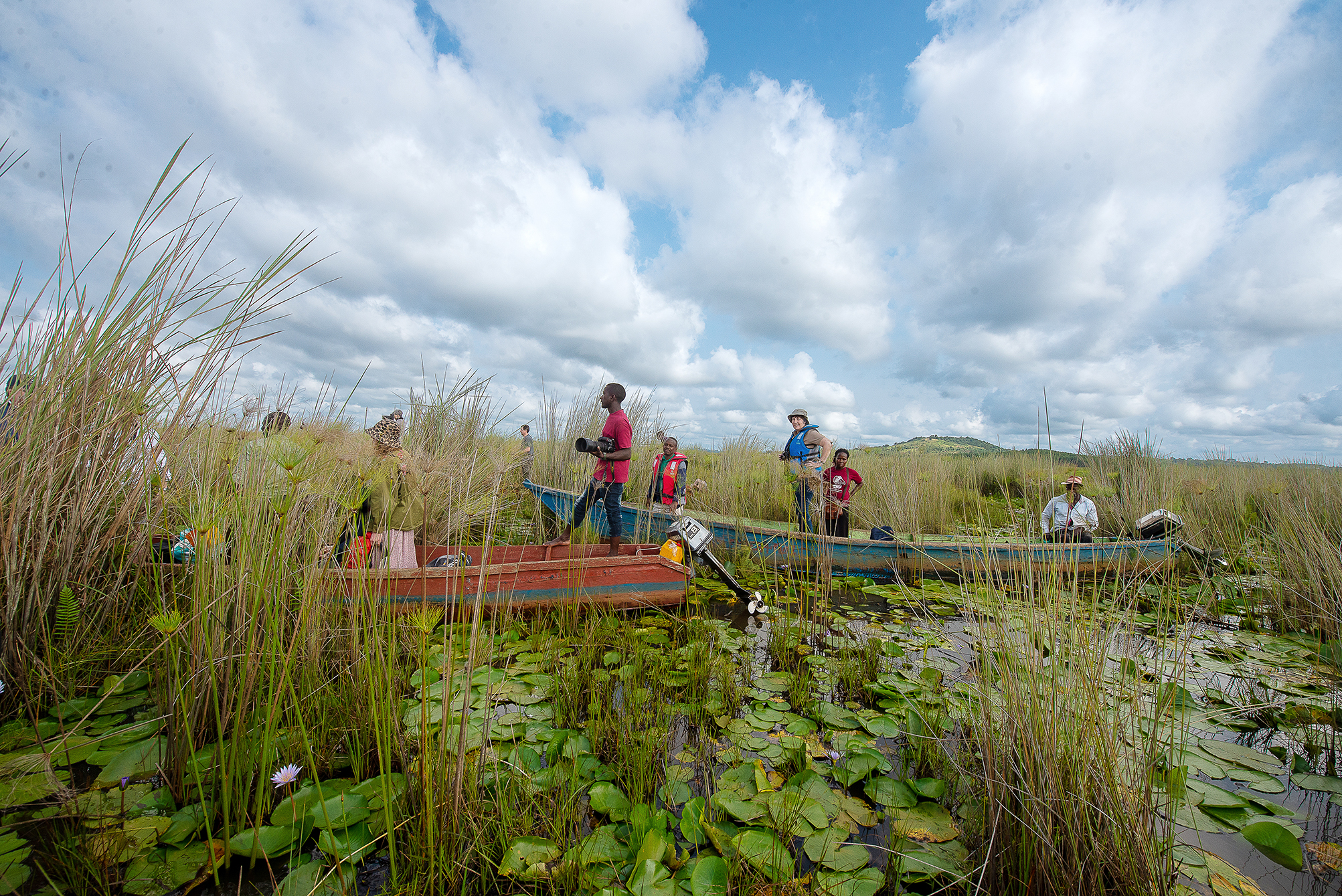
Upon arrival, meet your local site guide and set off on a boat
cruise
through the bay's papyrus-lined channels and shimmering lagoons. Expect close
encounters with White-winged Black Terns, Grey-headed
Gulls, Whiskered Terns, and Pied
Kingfishers hovering and diving for fish.
Target Birds — Lutembe Bay (Day
1)
- White-winged Black Tern
- Grey-headed Gull
- Whiskered Tern
- Pied Kingfisher
- Malachite Kingfisher
- Papyrus Gonolek
- Greater Swamp Warbler
- African Jacana
- Squacco Heron
- Black Egret
Guided Wetland Walk
After the boat excursion, enjoy lunch near the bay, followed by a guided
wetland walk along the muddy shores — perfect for photographing waders,
reflections, and wetland textures in the soft light. As the sun dips low, capture
silhouettes of terns in flight and fishermen returning from
the lake, closing your first day with golden-hour magic.
Photography Highlights
Target Subjects: White-winged Black Terns in flight, roosting
gulls and waders, reflections on the wetlands, papyrus edges, and local
fishermen
at work.
Best Light: Early morning for calm water and golden tones; late
afternoon for warm hues and dynamic silhouettes.
Overnight: Entebbe/Kampala
Meal Plan: Full Board
2
Day 2: Morning Birding Session – Wetland Photography – Return to Kampala/Entebbe
Early in the morning, set out for your second birding session,
focusing on Papyrus endemics and wetland species.
Explore the inner lagoon and reed beds for African Jacana,
Squacco Heron, Blue-headed Coucal, and
Black Crake.
Morning Session Targets
- African Jacana
- Squacco Heron
- Blue-headed Coucal
- Black Crake
- Papyrus Yellow Warbler
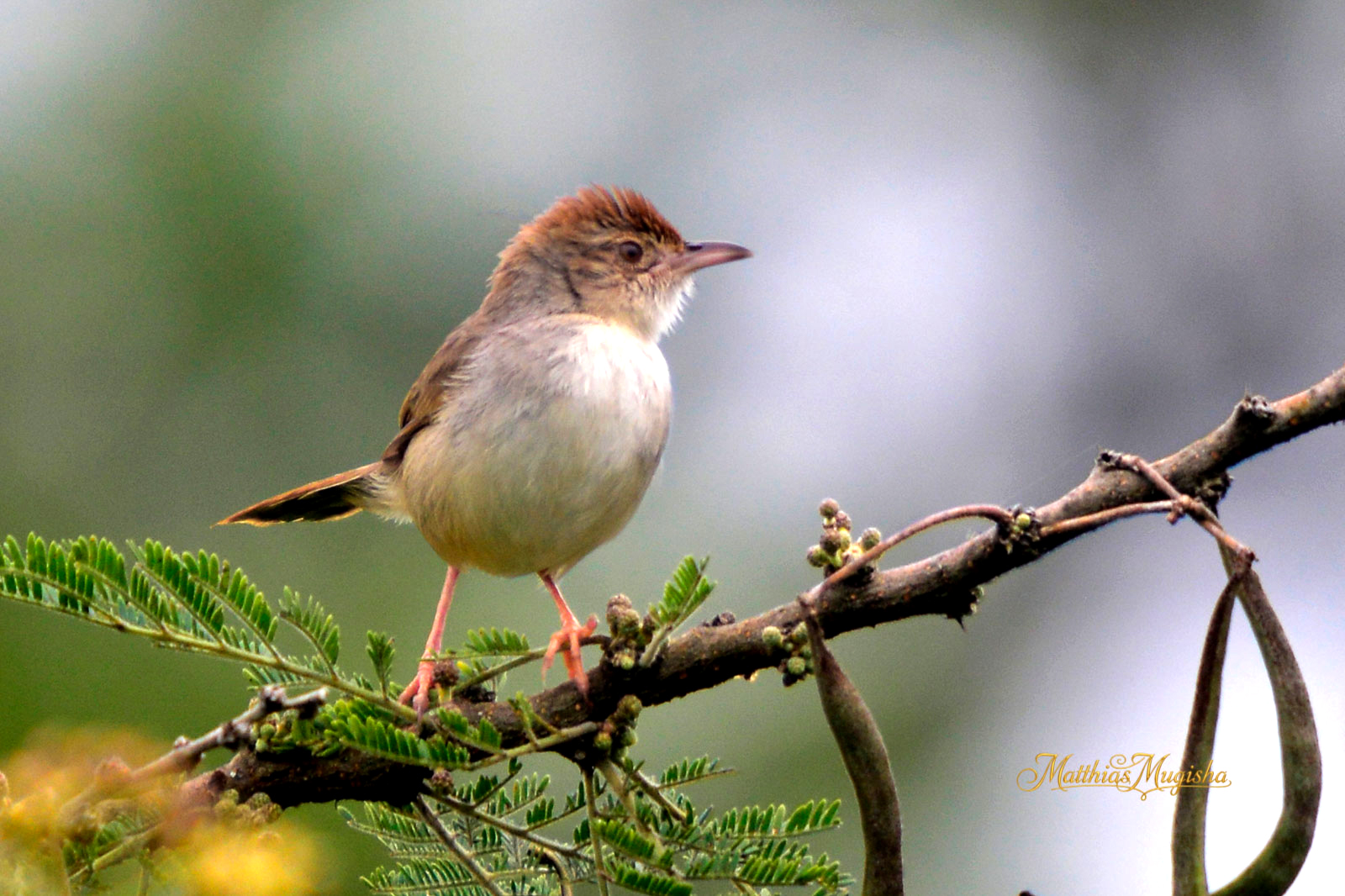
- Winding Cisticola
Later in the morning, photograph White-winged Black Terns in mass
aerial displays — a spectacular sight against the golden light. After brunch, drive
back to Kampala, arriving by early afternoon.
Return: Kampala/Entebbe (early afternoon)
Meal Plan: Breakfast & Lunch
End Note
Lutembe Bay is a story of life mirrored on still waters — where every reflection
carries the whisper of wings. This 2-day journey offers a rare chance to witness one
of Uganda's most dynamic wetland ecosystems, both through binoculars and through
your
lens.
Photo Gallery
Explore stunning images from this birding adventure showcasing the diverse birdlife and
beautiful landscapes you'll encounter.
Lutembe Bay
Ramsar Wetland Site
Migratory Species
Terns and gulls in flight
Wetland Wildlife
280+ bird species
Photography Tips
Lutembe Bay offers excellent opportunities for bird photography, especially during
migration season. Use fast shutter speeds (1/1000s+) to freeze flying birds, and
bring a
polarizing filter to reduce water glare.